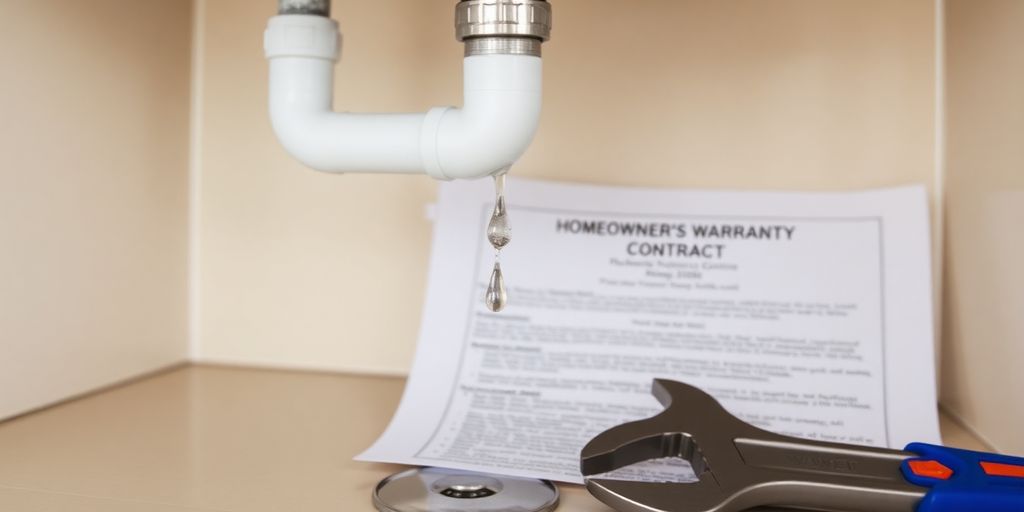
So, you’re wondering if your home warranty actually covers plumbing issues? It’s a common question, and the answer isn’t always a simple yes or no. Many homeowners get a warranty thinking it’s like insurance for everything that breaks, but it’s a bit more nuanced than that. Let’s break down what a home warranty typically includes when it comes to your pipes, faucets, and water heaters, and what might be left out.
Key Takeaways
- Home warranties generally cover plumbing systems, including pipes, faucets, and water heaters, for normal wear and tear.
- They usually don’t cover issues from neglect, improper installation, or pre-existing conditions.
- Home insurance covers sudden, accidental plumbing damage (like burst pipes), while warranties cover breakdowns from regular use.
- Always read your home warranty contract carefully to understand specific coverage limits and exclusions.
- Keeping good maintenance records is important, as lack of maintenance can void warranty coverage for plumbing problems.
Understanding Home Warranties and Plumbing Coverage
So, you’re wondering if that home warranty you’re considering actually covers your plumbing. It’s a common question, and honestly, it can get a little confusing with all the different plans out there. Think of a home warranty as a service contract that helps with the costs of repairing or replacing major home systems and appliances that break down due to normal use. It’s not insurance, which typically covers damage from sudden events like fires or storms. A home warranty is more about those everyday wear-and-tear issues that pop up.
What Does a Home Warranty Typically Cover?
Generally, a home warranty plan will cover your major home systems and appliances. This usually includes things like your heating and cooling system, electrical system, and yes, your plumbing system. For plumbing, this means the pipes, faucets, showerheads, and even your water heater are often included. On the appliance side, you can expect coverage for items like your refrigerator, dishwasher, oven, and garbage disposal. It’s important to remember that not every single item in your home will be covered, and there are usually limits to the coverage, but the core systems are typically where the warranty shines.
Key Plumbing Components Included in Warranties
When we talk about plumbing coverage, what exactly are we looking at? Most home warranties will include the internal plumbing system of your home. This typically covers:
- Pipes (water supply and drain lines)
- Faucets and showerheads
- Valves
- Stoppages within the system
- Water heaters
It’s good to know that things like spa or pool equipment might not be part of a standard plan, but you can often add them on for an extra fee. Always check your specific contract to see the exact components listed.
Are There Limits to Home Warranty Plumbing Coverage?
Yes, there definitely are limits. While warranties are helpful, they aren’t a magic bullet for every plumbing issue. Most plans have a dollar limit for repairs or replacements, and they often have a service call fee, also known as a deductible, that you pay each time a technician comes out. Also, warranties usually don’t cover structural components of your home, like your foundation or roof, even if a plumbing issue affects them. It’s really about the repair or replacement of the covered system or appliance itself. You can find out more about what a home warranty covers by checking out what a home warranty covers.
It’s really important to read the fine print of any home warranty contract. Pay close attention to the exclusions and limitations. What might seem like a covered item could have a specific exclusion based on how the damage occurred or the age of the component.
When Does a Home Warranty Step In for Plumbing Issues?
So, when exactly does that home warranty you paid for actually kick in to help with your plumbing woes? It’s not quite as simple as ‘something broke, call the warranty company.’ Generally, warranties are designed to cover issues that pop up due to normal, everyday use over time. Think of it as covering the expected lifespan of your plumbing systems and appliances.
Coverage for Normal Wear and Tear
This is the sweet spot for home warranties. If a pipe in your system just gives out because it’s old and has seen better days, or if your water heater suddenly stops working after years of faithful service, your warranty is likely to step in. It’s meant to handle those breakdowns that happen simply because things age and wear out from regular use. The key here is that the problem wasn’t caused by something you did or didn’t do, but rather by the natural aging process of the components.
What About Unexpected Breakdowns?
Unexpected breakdowns are also generally covered, as long as they stem from normal wear and tear. For example, if a valve inside your washing machine’s plumbing connection suddenly fails, causing a leak, that’s usually covered. It wasn’t something you could have predicted or prevented through maintenance, it just happened during normal operation. The warranty company will typically send out an approved technician to diagnose and fix the issue.
The Role of Routine Maintenance in Warranty Claims
This is a big one, and it’s where people sometimes get tripped up. While warranties cover normal wear and tear, they usually won’t cover problems that arise because you neglected basic maintenance. For instance, if your garbage disposal stops working because you’ve been putting things down it that you shouldn’t, or if a pipe bursts because you didn’t take steps to prevent freezing in winter (like leaving a faucet dripping or keeping your home heated), the warranty company might deny the claim. They expect you to do your part in keeping things running smoothly. It’s like not changing the oil in your car and then expecting the warranty to cover engine failure – it just doesn’t work that way. Keeping good records of any maintenance you’ve performed can be really helpful if you ever need to file a claim.
What Plumbing Problems Are Usually Excluded?
So, while home warranties can be a lifesaver for unexpected plumbing hiccups, they aren’t a magic wand for every single water-related issue. It’s super important to know what’s typically not covered, so you don’t get caught off guard. Think of it like this: warranties are great for when things break down due to normal use, but they usually shy away from problems caused by other factors.
Exclusions for Neglect and Improper Installation
This is a big one. If a plumbing problem happens because the system wasn’t taken care of properly, or if it was installed incorrectly in the first place, your warranty probably won’t step in. For example, if you knew a pipe was slowly leaking for months but didn’t call a plumber, and then it burst, that might be seen as neglect. Similarly, if a fixture was installed by someone who didn’t really know what they were doing, and that leads to a leak, the warranty company might point to the faulty installation as the reason for the failure. It’s really on you to maintain your home and ensure things are put in correctly.
Are Pre-Existing Conditions Covered?
Generally, no. Home warranties are designed to cover issues that arise after you’ve purchased the warranty. If a plumbing problem existed before you signed up for coverage, and the warranty company can prove it, they likely won’t cover the repair. This is why it’s a good idea to get a thorough home inspection before buying a home and a warranty, to catch any existing issues.
What About Issues Caused by Natural Disasters?
This is where home insurance usually comes into play, not a home warranty. If a storm causes a tree to fall and break your pipes, or if flooding damages your plumbing system, that’s typically outside the scope of a home warranty. These kinds of events are usually covered by your homeowners insurance policy, assuming you have the right kind of coverage. It’s good to know the difference between what your warranty covers and what your insurance handles, so you’re not trying to file the wrong type of claim. You can check out how home insurance differs from warranties here.
Home Warranty vs. Home Insurance for Plumbing
It’s easy to get home warranties and homeowners insurance mixed up, especially when a plumbing issue pops up. They sound similar, right? Both are meant to help you out when something goes wrong with your house. But honestly, they cover pretty different things, and knowing the difference can save you a lot of headaches and money.
How Home Insurance Differs from Warranties
Think of homeowners insurance as your safety net for big, unexpected disasters. If a pipe bursts because of a sudden freeze, or a fire damages your plumbing, your homeowners insurance is likely what you’ll turn to. It’s designed to cover damage from sudden, accidental events like storms, fires, or major system failures that cause widespread damage. However, it usually won’t pay to fix the actual appliance or pipe that failed; it’s more about the damage that event caused. For example, if a pipe bursts and ruins your drywall and flooring, insurance might cover the repairs to the walls and floor, but not the cost of replacing the pipe itself.
When to Rely on Insurance for Plumbing Damage
Homeowners insurance is your go-to when something goes wrong suddenly and accidentally. This includes things like:
- Burst Pipes: If a pipe freezes and bursts, causing water damage throughout your home, insurance can help with the cleanup and repairs to things like walls and floors.
- Appliance Leaks: A sudden, unexpected leak from your washing machine or water heater that causes damage to your floors or cabinets might be covered.
- Overflows: If a toilet or bathtub overflows due to a sudden blockage within your system and causes water damage, your insurance could help with the resulting mess.
It’s important to remember that insurance typically won’t cover damage if it’s due to neglect or lack of maintenance. If you knew a pipe was leaking and didn’t fix it, and it caused more damage, they might deny the claim.
Complementary Coverage: Using Both Wisely
Home warranties and homeowners insurance aren’t really competing; they’re more like teammates. A home warranty is great for when an appliance or system just stops working due to normal wear and tear. So, if your water heater suddenly dies or your garbage disposal gives out, your warranty might cover the repair or replacement cost of that specific item. It’s about the breakdown of the item itself, not necessarily the widespread damage it might cause.
Here’s a quick look at what each typically covers:
| Feature | Homeowners Insurance | Home Warranty |
|---|---|---|
| What it Covers | Damage from sudden, accidental events (fire, storm) | Breakdown of appliances/systems from normal use |
| Focus | Damage to your home and belongings | Repair/replacement of the failed item |
| Common Plumbing | Burst pipes, accidental appliance leaks, overflows | Malfunctioning water heaters, garbage disposals |
| Exclusions | Neglect, lack of maintenance, floods (usually) | Pre-existing conditions, neglect, cosmetic issues |
So, if your dishwasher leaks and ruins your kitchen floor, insurance might cover the floor, and a warranty might cover fixing or replacing the dishwasher itself. It’s smart to have both if you can, as they fill in each other’s gaps. Always read the fine print on both policies to know exactly what you’re covered for!
Maximizing Your Plumbing Warranty Protection
So, you’ve got a home warranty, and you’re wondering how to make sure it actually helps when your plumbing acts up. It’s not always as straightforward as you might think, but with a little know-how, you can get the most out of your coverage. Think of it like this: your warranty is there to help with normal wear and tear, but if you’re not doing your part, it might not cover things when you really need it to.
The Importance of Reading the Fine Print
Seriously, this is the big one. Before anything goes wrong, take some time to actually read your home warranty contract. It’s not exactly a page-turner, I know, but it’s super important. You need to know exactly what plumbing components are covered and, just as importantly, what’s not. Some warranties might cover your main water pipes but not the ones inside your walls, or they might cover a leaky faucet but not the water damage it causes. Understanding these details upfront can save you a lot of headaches and unexpected bills later on. It’s like knowing the rules of a game before you start playing.
Keeping Detailed Maintenance Records
This is where you can really make your warranty work for you. Most home warranties require that you’ve been doing regular maintenance on your home systems, including plumbing. So, keep records! If you have a plumber come out for a check-up, or if you replace a part yourself, keep the receipt or a log. This documentation is your proof that you’ve been taking care of your home. If a problem arises and the warranty company questions whether it was due to neglect, your records can show them you’ve been diligent. It’s a good idea to keep these records organized, maybe in a binder or a digital folder, so they’re easy to find when you need them. This is especially true for things like water heaters or well pumps, which often have specific maintenance requirements.
Considering Add-On Coverage Options
Sometimes, the standard plumbing coverage in a home warranty might not be enough for your specific needs. Many warranty providers offer optional add-ons or riders that can give you extra protection. For example, you might be able to add coverage for things like sewer line backups or septic system failures, which are often excluded from basic plans. If you live in an older home or have had recurring plumbing issues, looking into these extra options could be a smart move. It might cost a bit more upfront, but it could end up saving you a lot if a major problem occurs that wouldn’t otherwise be covered. It’s worth checking what your provider offers to see if any of these additions make sense for your situation.
Common Plumbing Scenarios and Warranty Outcomes
So, you’ve got a home warranty, and now a plumbing issue pops up. What happens next? It really depends on the situation. Let’s break down some common scenarios to see how your warranty might handle things.
Burst Pipes: What to Expect
Imagine this: you wake up to a soggy mess because a pipe decided to burst overnight. Home warranties typically cover damage from burst pipes due to normal wear and tear. This means the cost of repairing the damaged pipes themselves, along with any resulting water damage to things like drywall or flooring, might be covered. However, it’s super important to check your specific contract. Some warranties might have limits on the amount they’ll pay out for a single incident, or they might exclude damage if they think you could have prevented it, like not keeping your house warm enough in winter.
Appliance Leaks and Your Warranty
Got a leaky dishwasher or a washing machine that’s decided to flood your laundry room? Your home warranty can often help here too. If an appliance covered under your warranty fails due to normal use and causes a leak, the warranty usually covers the repair or replacement of the plumbing components connected to that appliance. What it generally won’t cover is the appliance itself. So, if your dishwasher leaks because the appliance is old and worn out, the warranty might fix the water line, but you’ll likely have to pay for a new dishwasher out of pocket. Always double-check if your warranty has specific exclusions for appliance-related plumbing issues.
Clogged Drains: Routine Maintenance vs. Damage
Clogged drains are a bit of a tricky area for home warranties. Generally, a warranty won’t cover simple drain clogs that are a result of regular use or lack of maintenance. Think hair buildup in the shower or grease in the kitchen sink – that’s usually on you. However, if a clog is so severe that it causes a backup and leads to water damage within your home’s plumbing system (like a pipe bursting because it’s completely blocked), your warranty might cover the resulting damage. But, they probably still won’t pay for the actual drain cleaning service itself. It’s all about the cause and the outcome. If it’s just a slow drain, that’s maintenance. If it’s a catastrophic backup causing damage, that might be a covered event.
So, What’s the Final Word on Home Warranties and Plumbing?
Alright, so we’ve talked a lot about home warranties and plumbing. It’s clear that while a home warranty can be a helpful thing to have, it’s not exactly a magic wand for all your plumbing woes. Think of it more like a safety net for those unexpected breakdowns from normal wear and tear, not for stuff that happens because of poor upkeep or major disasters. Always, always read the fine print in your contract to know exactly what’s covered and what’s not. It’s really about understanding what you’re signing up for so there are no big surprises when something goes wrong. For anything major, or if you’re dealing with things like floods or sewer backups, your regular homeowner’s insurance might be the better bet, or you might need separate coverage. Keeping up with your home’s maintenance is key too, because warranties usually won’t cover problems that come from neglect. So, a home warranty can be a good tool in your homeowner toolkit, but it’s just one piece of the puzzle.
Frequently Asked Questions
What parts of my plumbing does a home warranty typically cover?
A home warranty usually covers plumbing systems and parts like pipes, faucets, and water heaters. However, it’s important to check your specific plan because not all warranties cover every single plumbing part. Some might not cover things like spa or pool plumbing unless you get extra coverage.
When will my home warranty cover plumbing issues?
Home warranties generally cover plumbing problems that happen because of normal wear and tear. This means if a pipe breaks or a faucet leaks just from getting old and being used regularly, the warranty should help. But, if the problem is caused by something you did, like poor installation or not taking care of it, the warranty might not cover it.
What plumbing problems are usually NOT covered by a home warranty?
Many home warranties do not cover problems caused by neglect, like not fixing a small leak until it becomes a big problem. Also, issues from bad installation or problems that existed before you got the warranty are usually not covered. Natural disasters, like floods or earthquakes, are also typically excluded.
How is a home warranty different from home insurance for plumbing?
Home insurance is for sudden, accidental damage like a burst pipe causing water damage throughout your house. A home warranty is more like a service contract that helps pay for repairs when major appliances or systems, like your plumbing, break down from regular use. They cover different things, and you might need both.
How can I make sure my home warranty covers my plumbing best?
To get the most out of your plumbing warranty, always read the contract carefully to understand what’s covered and what’s not. Keep good records of any maintenance you do on your plumbing system, as this can be important if you need to make a claim. You might also be able to buy extra coverage for things not included in the basic plan.
What happens with common plumbing issues like burst pipes or clogged drains?
If a pipe bursts due to freezing, a home warranty might cover the repair of the plumbing system itself, but often won’t cover the resulting water damage to your home. For appliance leaks, like from a dishwasher, the warranty may cover the repair of the part that failed, but not the appliance itself. Clogged drains are usually considered regular maintenance and aren’t covered, unless the clog causes significant damage that the warranty plan addresses.