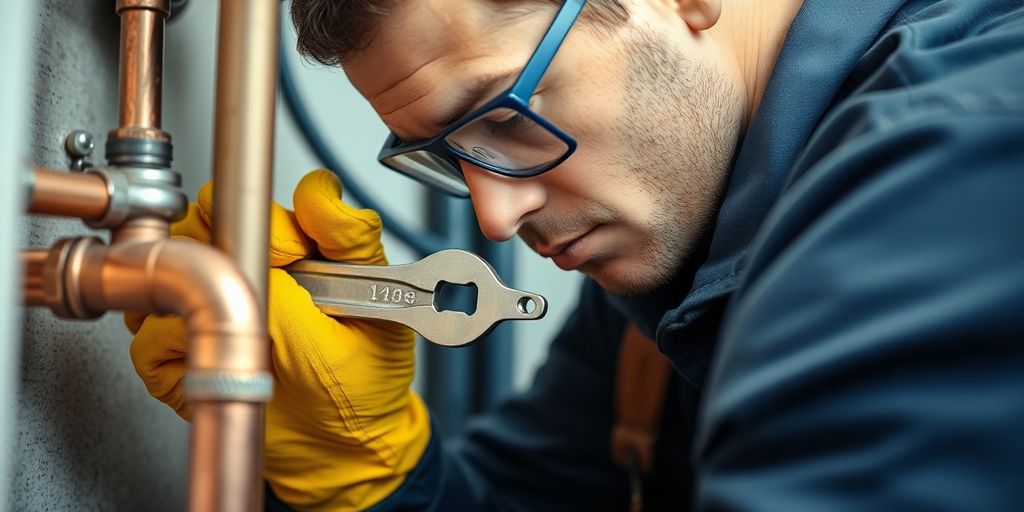
Thinking about a career change or just starting out and wondering if plumbing is the right path for you? It’s a job that’s always needed, and honestly, it’s more than just fixing leaky pipes. Plumbers keep our water flowing and our waste systems working, which is pretty important stuff. If you’re looking for steady work, a chance to learn new things, and maybe even run your own business someday, then plumbing might be worth a closer look. Let’s break down what it really takes and what you can expect.
Key Takeaways
- Plumbing offers excellent job security because people always need water and waste systems maintained, making it a recession-proof profession.
- The work provides variety, from new construction to fixing existing systems, and involves both physical activity and problem-solving.
- Becoming a plumber typically involves an apprenticeship where you learn on the job while earning, followed by licensing exams.
- Plumbers play a vital role in public health and maintaining essential infrastructure, earning respect within the community.
- The career offers good earning potential, opportunities for independence by starting your own business, and relatively low-cost education compared to many other fields.
Is Plumbing a Good Career Choice?
So, you’re wondering if plumbing is a solid career path? It’s a question many people ask when looking for stable work that pays well and offers a sense of purpose. Let’s break down why plumbing might be a fantastic choice for you.
Job Stability and Constant Demand
Think about it: everyone needs clean water and a way to get rid of waste. That means plumbers are always needed, no matter what’s happening in the economy. Whether it’s a new house being built or an old pipe bursting, a skilled plumber is essential. This field isn’t going anywhere; in fact, the demand for qualified plumbers is expected to keep growing. It’s a trade that can’t be outsourced, giving you a real sense of job security.
A Recession-Proof Profession
When times get tough, people still need their toilets to flush and their water to run. Unlike some jobs that can disappear during economic downturns, plumbing services are considered a necessity. This makes it a remarkably stable career, offering peace of mind even when other industries are struggling. You’re providing a service that’s always in demand.
Opportunities for Advancement
Starting as an apprentice is just the beginning. As you gain experience and skills, there are many paths to move up. You can become a licensed journeyman, and eventually, a master plumber. Many plumbers also specialize in areas like medical gas systems or fire sprinklers. Plus, with experience, you could even start your own business, giving you the ultimate independence and control over your career. It’s a field where hard work and dedication really pay off in terms of growth and opportunity.
The Rewarding Nature of Plumbing Work
Variety in Daily Tasks
Think plumbing is just about fixing leaky faucets? Think again! The day-to-day work of a plumber is surprisingly varied. One day you might be installing intricate pipe systems in a brand-new commercial building, the next you could be troubleshooting a complex drainage issue in an old historic home. You could be working on municipal water mains, setting up fire sprinkler systems, or even getting involved with new plumbing technologies. It’s a field where you’re constantly learning and facing different kinds of puzzles to solve. You’re not stuck in an office; you’re out and about, seeing different places and meeting different people. It really keeps things interesting.
Problem-Solving and Intellectual Engagement
Plumbing isn’t just physical labor; it really engages your brain too. You’re often faced with unique problems that don’t have a one-size-fits-all answer. Figuring out why a system isn’t working correctly, especially in older buildings with quirky setups, requires some serious analytical thinking. It’s like being a detective for pipes! You have to diagnose the issue, consider different possibilities, and come up with a practical solution. This constant mental workout keeps your mind sharp and makes the job intellectually rewarding. It’s satisfying to solve a tricky problem that others couldn’t figure out.
Physical Health Benefits
Let’s be honest, most desk jobs don’t do much for your physical health. Plumbing, on the other hand, keeps you active. You’re on your feet a lot, bending, lifting, and moving around. While it can be physically demanding, this constant movement is actually great for staying in shape. It’s a way to get your exercise in naturally throughout the workday. Plus, working in different environments, sometimes outdoors or in various types of buildings, adds a bit of variety to your physical activity. It’s a job that helps you stay fit while you earn a living. You can learn more about the physical demands of plumbing and how it contributes to a healthy lifestyle.
Building a Successful Plumbing Career
So, you’re thinking about getting into plumbing? That’s awesome! It’s a trade that’s always needed, and there’s a clear path to becoming a pro. It all starts with learning the ropes, and luckily, you can do that while getting paid.
Apprenticeship: Learning While Earning
Think of an apprenticeship as your on-the-job training. You’ll work alongside experienced plumbers, getting hands-on experience with everything from installing pipes to understanding local codes. Most programs combine this practical work with classroom learning, usually at a trade school or union hall. It typically takes about 2 to 4 years, and the best part? You’re earning money while you learn. It’s a solid way to build up skills and get paid for it.
Becoming a Licensed Journeyman
After your apprenticeship, the next step is often becoming a licensed journeyman plumber. This means you’ve got a good handle on the trade and can work more independently. You’ll need to pass a licensing exam, which shows you know your stuff regarding plumbing systems, safety, and regulations. This is a big milestone, opening up more job opportunities and responsibilities.
Mastering the Trade
Once you’re a journeyman, the learning doesn’t stop. You can continue to gain experience, specialize in certain areas like medical gas piping or backflow prevention, or even work towards becoming a master plumber. A master plumber has extensive knowledge and experience, and can often supervise other plumbers, pull permits, and even start their own business. It’s a career where you can keep growing and learning throughout your entire working life.
The Societal Importance of Plumbers
Protecting Public Health
Think about it: every time you turn on a faucet for clean drinking water or flush a toilet, you’re relying on a plumbing system. Plumbers are the folks who make sure these systems work correctly and safely. They install and maintain the pipes that bring fresh water into our homes and take away wastewater. This work is super important for keeping everyone healthy and preventing the spread of diseases. Without skilled plumbers, our communities wouldn’t have reliable access to safe water, and sanitation would be a major problem.
Maintaining Essential Infrastructure
Plumbing isn’t just about houses; it’s about the bigger picture too. Plumbers work on the water mains and sewer lines that serve entire towns and cities. They keep these complex systems running, which is no small feat. This infrastructure is vital for everything from fire suppression to industrial processes. It’s a job that literally keeps society functioning on a daily basis. You can find out more about the plumbing trade and its importance by checking out resources on plumbing careers.
Gaining Community Respect
While plumbers might not always get the spotlight, people definitely recognize the value of their work. When a pipe bursts at 3 AM or a sewer backs up, who do you call? A plumber. This hands-on, problem-solving work earns a lot of respect. People appreciate having skilled professionals who can fix critical issues and keep their homes and businesses running smoothly. It’s a trade where your hard work directly benefits others, and that’s a pretty good feeling.
Financial Rewards and Independence
Let’s talk about the money and the freedom that comes with being a plumber. It’s not just about fixing pipes; it’s about building a solid financial future for yourself. Plumbing offers a great balance of competitive pay and the potential for real independence. You’re not just earning a paycheck; you’re investing in a skill that’s always needed.
Competitive Earning Potential
When you’re starting out, you might not be making top dollar, but that changes quickly as you gain experience. Many plumbers find that their earnings grow steadily. For instance, plumbers with a few years under their belt can often earn around $70,000 annually, and that number goes up with more experience. It’s a field where your hard work and skill directly translate into higher pay. You can check out salary expectations for plumbers with experience to get a clearer picture.
Starting Your Own Business
One of the most appealing aspects of plumbing is the path to self-employment. Once you’ve got the skills and the license, you can absolutely start your own plumbing business. This means you get to be your own boss, set your own hours, and decide which jobs you take. It’s a fantastic way to gain true independence and build something for yourself. Imagine being able to choose your projects and manage your own schedule – that’s a real possibility in this trade.
Cost-Effective Education
Worried about student debt? Plumbing is a smart choice because the education required is often much more affordable than a traditional four-year degree. You can learn through apprenticeships, which often pay you while you train, or attend trade schools that are significantly less expensive. This means you can start earning a good income sooner and without the massive financial burden that many college graduates face. It’s a practical path to a well-paying career.
Skills That Lead to Success
Manual Dexterity and Coordination
Plumbing isn’t just about turning wrenches; it requires a good amount of physical skill. You’ll need to be comfortable working with your hands, often in tight or awkward spaces. Think about fitting pipes together just right, making sure connections are snug and leak-free. This also means having good hand-eye coordination to handle tools precisely and avoid damaging anything. It’s like being a surgeon, but with pipes instead of… well, you get it. Being able to manipulate materials and tools with accuracy is a big part of the job.
Analytical Thinking and Problem-Solving
When a sink backs up or a pipe bursts, it’s not always obvious what’s causing the problem. That’s where your brainpower comes in. You’ll need to be able to look at a situation, figure out what’s going wrong, and then come up with a plan to fix it. This might involve tracing pipes, understanding water pressure, or figuring out why a fixture isn’t working. It’s a constant puzzle, and solving it is really satisfying. You’re not just following instructions; you’re diagnosing issues and finding the best way to make things right. This kind of thinking keeps the job interesting and prevents it from becoming too routine.
Interpersonal and Communication Skills
Even though a lot of plumbing work is hands-on, you’ll be interacting with people all day long. You’ll be talking to homeowners, business owners, and sometimes other tradespeople. Being able to explain what you’re doing, why you’re doing it, and what it will cost is super important. People want to feel like they understand what’s happening with their plumbing, and they appreciate a plumber who can communicate clearly and respectfully. Building good relationships with clients can lead to repeat business and good word-of-mouth referrals. It’s about being professional and making sure the customer feels taken care of. You’ll be the face of the company, so being friendly and helpful goes a long way. Learning about the trade is important, but so is knowing how to talk to people about plumbing services.
Being a plumber means you’re often the one people call when something’s gone wrong, and they’re usually stressed. Being able to calm them down, explain the situation clearly, and reassure them that you’ve got it handled makes a huge difference. It’s not just about fixing pipes; it’s about solving problems for people when they really need it.
Navigating the Plumbing Profession
So, you’re thinking about plumbing, huh? It’s a solid gig, but like any career, it’s got its own set of quirks and things you’ll need to get used to. It’s not just about fixing leaky faucets, though that’s part of it. You’ll be dealing with a lot of different situations, and sometimes, things can get a little hectic. The key is being prepared for the ups and downs.
Potential Challenges and Demands
Let’s be real, plumbing isn’t always a walk in the park. You might get called out at odd hours for emergencies – think midnight leaks or burst pipes on a holiday. It can be physically demanding too; you’ll be bending, lifting, and sometimes working in tight or uncomfortable spaces. Plus, dealing with clogs and sewage isn’t exactly glamorous, but hey, someone’s gotta do it! It’s a job that requires you to be adaptable and ready for anything.
The Importance of Training and Certification
Getting properly trained and certified is a big deal in this field. It’s not just about knowing how to connect pipes; it’s about understanding codes, safety regulations, and the best ways to get the job done right. Think of it like this: you wouldn’t want a doctor operating on you without the right schooling, right? The same goes for plumbing. Getting certified shows you’re serious about your craft and have the skills to back it up. It opens doors to better jobs and higher pay. You can start by looking into local trade schools or apprenticeship programs to get your foot in the door; many offer paid apprenticeships where you learn while you earn.
Adapting to New Technologies
Plumbing is always changing, just like everything else. New tools and techniques are popping up all the time. For instance, there are now advanced diagnostic tools that can find leaks without tearing up walls, and new materials are being used for pipes. Staying current with these changes is super important. It means you’ll be more efficient, offer better service, and stay competitive. So, keep an eye on what’s new and be willing to learn. The job outlook for plumbers is strong, with employment projected to grow 6% from 2023 to 2033, indicating high demand for skilled professionals in the field. This means there’s plenty of opportunity to grow and adapt.
So, Is Plumbing a Good Career?
All in all, plumbing looks like a solid choice if you’re looking for a career that’s always needed. You get to use your brain to figure things out and your body to get the job done, which keeps things interesting. Plus, people really rely on plumbers, and that’s a pretty good feeling. You can learn on the job, earn as you go, and even start your own business down the road. It’s not always easy, sure, but it seems like a career with real stability and a lot of different paths you can take.
Frequently Asked Questions
Is plumbing a job that will always be available?
Plumbers are always needed because everyone needs clean water and a way to get rid of waste. This means plumbers usually have a steady job, even when the economy isn’t doing great. It’s a very secure career.
Can plumbers make a lot of money?
Yes, many plumbers can earn a good living. While starting out, you might make around $45,000 to $79,000 per year. Experienced plumbers, especially those who become masters, can earn even more, sometimes over $100,000 a year.
What exactly do plumbers do all day?
Plumbing involves fixing leaks, unclogging drains, and installing pipes. But it’s more than just that! Plumbers also work on building new water systems for houses, help with city water and sewer lines, and even install fire sprinklers. It’s a diverse job.
How do I become a plumber?
To become a plumber, you usually start with an apprenticeship after high school. This is like on-the-job training where you learn from experienced plumbers and go to school. After a few years, you can become a licensed journeyman, and with more experience, a master plumber.
What skills are most important for a plumber?
Plumbing requires good hand-eye coordination and the ability to solve problems. You also need to be able to talk to customers and explain what you’re doing. Being able to work with your hands and think through issues is key.
Is being a plumber a stressful job?
Plumbing can be stressful because you might have to deal with emergencies at odd hours or work in difficult conditions. However, the satisfaction of solving problems and helping people often makes it a rewarding career.