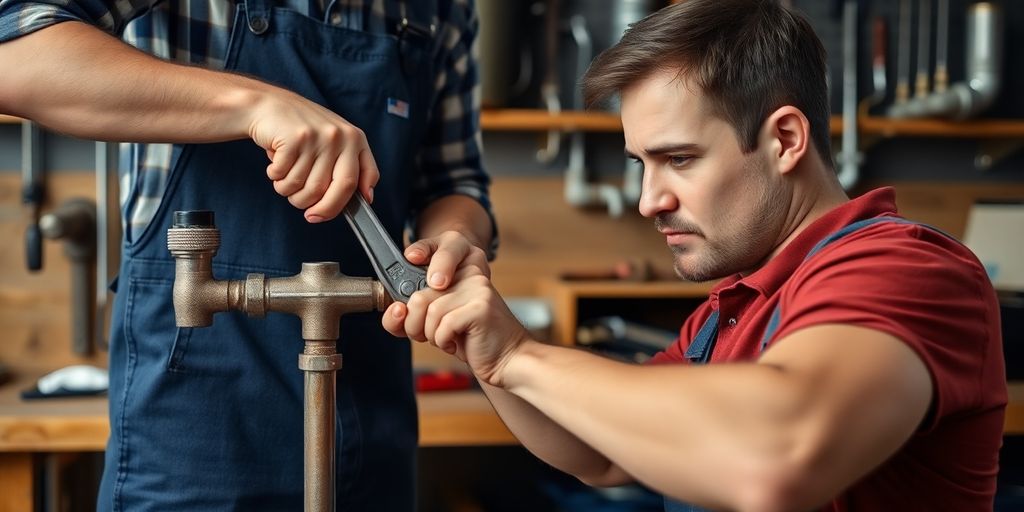
Thinking about starting your own plumbing company? It’s a solid idea, especially with how much people need plumbing work done all the time. Seriously, everyone needs their pipes fixed or a new water heater installed at some point. It’s not just about knowing how to fix a leaky faucet, though. You’ve got to figure out the business side of things too. This guide will walk you through the basics, from getting your ducks in a row legally to actually getting customers through the door. Let’s get this plumbing venture rolling.
Key Takeaways
- Get your plumbing license and any other training needed to do the job right and legally.
- Figure out your business setup, like if you’ll be a one-person show or hire others, and get the right insurance.
- Plan your money carefully, covering startup costs for tools and figuring out how much to charge your customers.
- Find out who your customers are and how to reach them, maybe with a website or local ads.
- Do good work every time and ask happy customers for reviews to build your business’s good name.
Laying The Foundation For Your Plumbing Venture
Getting your plumbing business off the ground means putting in some solid groundwork first. It’s not just about having the tools and knowing how to fix a leaky faucet; it’s about setting up your business the right way from the start. Think of it like laying the pipes for a new house – if the foundation isn’t solid, nothing else will work properly.
Understand Your Plumbing Skills and Experience
Before you even think about business cards, take a real look at what you’re good at. Are you a whiz with complex pipe systems, or do you excel at quick repairs? Knowing your strengths helps you figure out what kind of services you’ll offer. Maybe you’re great at residential work, or perhaps commercial jobs are more your speed. It’s also important to be honest about where you might need more training or experience. Don’t be afraid to admit if something is outside your current skill set. You might need to get more training or partner with someone who has different skills.
Choose Your Business Structure: Independent Contractor or Company
This is a big one. You can operate as a sole proprietor, which is pretty straightforward, but it means your personal stuff is on the line if the business gets into debt. Or, you could set up a Limited Liability Company (LLC). An LLC separates your personal assets from your business debts, which is a good idea for protection. There are other options too, like corporations, but they can be more complicated. For most plumbers starting out, an LLC is a popular choice because it offers a good balance of protection and simplicity. It’s worth looking into what state licensing requirements look like for different structures.
Develop a Comprehensive Business Plan
Okay, I know, ‘business plan’ sounds like a lot of work, but it doesn’t have to be a huge, formal document. It can be as simple as jotting down your ideas. What services will you offer? Who are your ideal customers – homeowners, businesses, or both? What areas will you cover? How will you price your work? Looking at what other plumbers in your area are doing can give you ideas on how to stand out. A simple plan helps you see the big picture and figure out the steps you need to take to make your business a reality. It’s your roadmap, so make it useful for you.
Navigating Licensing and Legalities
Getting your plumbing business off the ground means sorting out some important paperwork. It’s not the most exciting part, but it’s definitely necessary to keep things running smoothly and legally. Think of it like making sure all your pipes are connected correctly before you turn on the water – you don’t want any leaks!
Secure Your Plumbing License and Required Training
First things first, you need to make sure you have the right plumbing license. This isn’t just a suggestion; it’s a legal requirement in most places. The exact requirements can differ quite a bit depending on where you are. You might need to have completed an apprenticeship, worked a certain number of years, and passed some exams. For instance, in some areas, you’ll need to go through apprentice and journeyman stages before you can even think about getting a master plumber license. It’s a good idea to check with your local licensing board to see exactly what you need. Getting properly trained and licensed is a big step towards building trust with your customers and staying out of trouble. You can find out more about specific requirements for becoming a plumber in places like Alabama here.
Register Your Business and Obtain Necessary Insurance
Once your licensing is sorted, you’ll need to officially register your business. This usually involves choosing a business name and registering it with your local government. You’ll also want to get an Employer Identification Number (EIN) from the IRS, especially if you plan to hire anyone down the line. Beyond registration, getting the right insurance is super important. This protects you, your business, and your clients. You’ll want to look into general liability insurance, which covers accidents or property damage, and possibly commercial auto insurance if you use vehicles for your business. Workers’ compensation is also a must if you have employees. Having proper insurance means you can handle unexpected issues without them completely sinking your business.
Understand Local Regulations and Permits
Every town and city has its own set of rules and regulations for businesses, and plumbing is no exception. You’ll need to figure out what local permits are required for the types of jobs you plan to do. This could include permits for specific installations, repairs, or even for working in certain zones. Ignoring these can lead to fines or stop-work orders, which is the last thing you want when you’re just starting out. It’s worth spending some time understanding these local rules so you can operate your business correctly from day one. Sometimes, you might need permits for things like drain cleaning or water heater installations, so it’s best to ask your local building department.
Financial Planning and Equipment Acquisition
Starting a plumbing business means you’ll need to think about the money side of things and what tools you’ll need. It’s not just about knowing how to fix pipes, you know? You’ve got to figure out how much cash you need to get going and what gear is absolutely necessary.
Secure Financing for Essential Plumbing Equipment
So, you’ve got your skills, and maybe you’ve even picked a business structure. Now comes the part where you actually get the stuff you need to do the work. Unless you’ve got a pile of cash saved up, you’ll probably need some kind of loan or financing to buy your tools and equipment. Think about what you absolutely must have to start. A reliable work vehicle is a big one – you need to get yourself and your gear to the job. Then there are the basic tools: pipe cutters, wrenches, plungers, maybe some drain snakes for those stubborn clogs. Don’t forget safety gear like gloves and goggles. You can expect the initial tool and inventory costs to be around $5,250 or more, but this can change a lot depending on the brands you pick and the quality you’re going for. You might also look into leasing options for really specialized, expensive equipment if you don’t plan on using it all the time. It’s smart to make a detailed list of everything you need before you start asking for money. You can explore options like small business loans to help cover these startup costs. Check out financing options to see what might work for you.
Factor in Startup Costs and Operating Expenses
When you’re planning your finances, it’s easy to just think about the big ticket items like tools and a truck. But there’s more to it. You’ve got to consider all the little things that add up, plus what it costs to keep the business running day-to-day. Startup costs can range from about $6,650 to over $8,555, depending on what you need. This includes things like:
- Business license and registration fees ($80–$420)
- Insurance (this can be anywhere from $630 to $2,100 per year)
- Basic work attire and boots ($105–$210)
- A website and business cards ($160)
Then there are your ongoing operating expenses. This means things like fuel for your vehicle, phone bills, maybe software subscriptions for scheduling or invoicing, and of course, paying yourself. It’s a good idea to create a budget that covers both your initial setup and your monthly bills for at least the first year. This helps you see how much money you actually need to have coming in.
Determine How to Price Your Plumbing Services
Figuring out how much to charge for your work is a big deal. You don’t want to charge too little and not make any money, but you also don’t want to scare customers away with prices that are too high. Your pricing strategy should be based on a few things. First, remember all that market research you did earlier? That’s your starting point. See what other plumbers in your area are charging for similar services. You also need to factor in your own costs – your time, your materials, your overhead (like insurance and vehicle expenses). A good way to approach this is to calculate your costs per hour and then add a profit margin. Some plumbers also charge a flat rate for common jobs, like fixing a leaky faucet or installing a toilet. This can be easier for customers to understand. Whatever you choose, make sure your prices reflect the quality of your work and allow your business to be profitable. Research local market rates to get a better idea.
It’s really important to have a clear picture of all the money coming in and going out. This helps you make smart decisions about where to invest and how to grow your business without running into cash flow problems. Keeping good records from the start makes this much easier.
Building Your Customer Base and Brand
Getting your name out there and making sure people remember you is a big part of starting your plumbing business. It’s not just about fixing pipes; it’s about building a reputation. Think of your brand as the personality of your business. What do you want people to think of when they hear your company name? Maybe it’s reliability, speed, or just plain good work. A strong brand helps people trust you.
Research Your Target Audience and Local Market
Before you start telling everyone about your services, it’s smart to figure out who you’re trying to reach. Are you looking to help homeowners with leaky faucets, or are you aiming for bigger jobs with local businesses? Knowing your audience helps you tailor your message. Also, check out what other plumbers in your area are doing. What services do they offer? How do they advertise? This isn’t about copying them, but understanding the landscape so you can find your own spot.
Develop Strategies to Generate Leads
Leads are basically potential customers who are interested in what you do. You need ways to find them. One good way is to make sure your business shows up when people search online for plumbers. This means having a simple website that lists your services and contact info. Also, setting up a Google Business Profile is a must; it helps you appear in local searches and on maps. Don’t forget about word-of-mouth – happy customers are your best advertisers. You can encourage this by offering great service every time.
Establish an Online Presence and Marketing Plan
In today’s world, having an online presence is pretty important. This means more than just a website. Think about social media platforms like Facebook. You can share helpful tips, like how to prevent frozen pipes in winter, or show before-and-after pictures of your work. This builds trust and shows people what you can do. Consider offering a small discount for first-time customers to get them in the door. A consistent look and feel across your website, social media, and even your work truck helps people recognize your plumbing business and remember you.
Here’s a quick look at some marketing ideas:
- Create a simple, professional website.
- Claim and optimize your Google Business Profile.
- Use social media to share tips and show your work.
- Ask satisfied customers for reviews.
- Network with local contractors and real estate agents.
Building a good reputation takes time and consistent effort. Focus on doing quality work and treating your customers well, and the leads will start to follow.
Delivering Excellence and Growing Your Business
Once you’ve got your business up and running, the real work of keeping customers happy and expanding your reach begins. It’s not just about fixing pipes; it’s about building a reputation that keeps people calling you back. Consistently doing great work is the bedrock of a successful plumbing business. Think about it – nobody wants a leaky faucet fixed only to have it start dripping again a week later. That’s just bad news for everyone involved.
Commit to Delivering High-Quality Plumbing Work
This means showing up on time, being professional, and actually fixing the problem right the first time. If something unexpected pops up, be upfront about it. Honesty goes a long way, especially when dealing with potentially messy situations like water damage. Your goal is to leave every customer feeling like they got their money’s worth and then some. It’s about building trust, one job at a time.
Manage and Grow Your Customer List Effectively
Keeping track of your clients is super important. A simple spreadsheet or a customer relationship management (CRM) tool can help you remember who you’ve worked for, what you did, and when. This makes it easier to follow up, offer maintenance reminders, or even send out seasonal tips. Think about offering a referral program; happy customers are often willing to spread the word if there’s a little incentive. You can also explore different marketing ideas to reach new people, like optimizing your website for local searches so folks find you when they need a plumber fast. Local marketing strategies can really make a difference.
Collect Reviews and Testimonials to Build Trust
After you finish a job, don’t be shy about asking for a review. Positive feedback on platforms like Google My Business or Yelp can really help new customers decide to give you a shot. It shows them that other people have had good experiences with your work. Even a simple testimonial on your own website adds a lot of credibility. People trust what other people say more than what a business says about itself. So, make it easy for them to share their good experiences.
Ready to Get Your Hands Dirty?
So, you’ve got the skills, the drive, and now you’ve got a roadmap. Starting your own plumbing business is a big step, sure, but it’s totally doable. Think about it – you’ll be your own boss, setting your own hours, and building something from the ground up. It takes planning, getting the right paperwork sorted, and always doing good work for your customers. But with all the demand out there, if you put in the effort and treat people right, you’re setting yourself up for some serious success. Go ahead, make that first call, get that license, and start building the plumbing business you’ve always wanted.
Frequently Asked Questions
Is it tough to start a plumbing business?
Starting a plumbing business can feel like a big task, but it’s totally achievable with good planning. You’ll need to get the right licenses, make sure you have insurance, and create a solid plan for how your business will run. Finding good suppliers and letting people know about your services are also super important. It won’t always be easy, but a well-organized plumbing business can be really worth it.
Can I start a plumbing business without a license?
Nope, you can’t legally run a plumbing business without the proper licenses. Doing so could get you into trouble with fines and legal problems. Always look up the rules where you live. You might need a general business license, a specific contractor license, or permits for certain jobs like working with gas lines or sewer systems.
What’s the best way to set prices for plumbing jobs?
Figuring out how much to charge involves looking at a few things. Consider what other plumbers in your area charge for similar work. Also, add up all your costs, like gas, vehicle upkeep, and any special tools you need. Don’t forget to include a profit for yourself – usually around 20-35% of the total cost. If you have special skills or a master plumber license, you can often charge more because you offer more value.
How can I find customers for my new plumbing business?
Getting customers is key! Try talking to local builders and real estate agents – they often need plumbers. You can also advertise online, maybe by making a simple website or using social media. Offering a discount to new customers is a great way to get them in the door. Making sure people can find you online, like on Google, helps a lot too.
How important is the quality of my plumbing work?
It’s really important to do great work every time. If you promise something, make sure you deliver. If a mistake happens, be honest about it and fix it right away. Plumbing problems can be expensive for customers, so being trustworthy and doing a good job builds a strong reputation.
Should I start as a solo plumber or build a company?
You can start as a solo plumber, which means you work for yourself and handle jobs on your own schedule. This is great for flexibility. However, you can only do so many jobs in a day. If you want to grow bigger, you might think about building a company where you can hire other plumbers to work with you. This lets you take on more work and serve more customers.