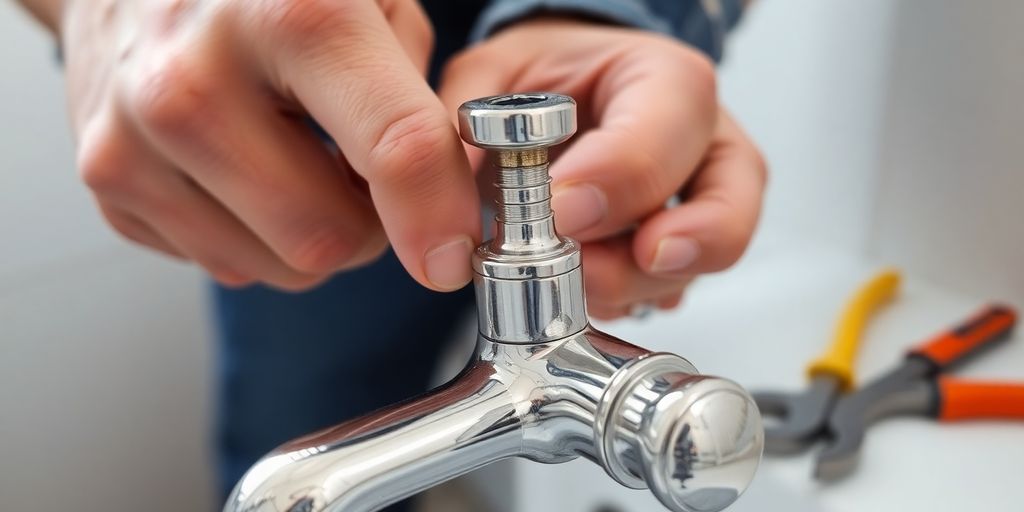
Figuring out how much plumbing work will cost can feel like a guessing game. You know you need that leaky faucet fixed or maybe the water heater is making weird noises, but what’s the damage going to be? Well, it’s not just one number. The plumbing installation cost, and really any plumbing service, depends on a bunch of things. We’re going to break down what goes into those bills, from the type of job to where you live, so you can get a clearer picture.
Key Takeaways
- The total plumbing installation cost depends on the type of job, materials used, the plumber’s skill, and your location.
- Simple repairs like fixing a leaky faucet usually cost less than major projects like repiping a whole house.
- Hourly rates are common for unpredictable jobs, while flat fees offer cost certainty for standard services.
- Regular maintenance can prevent small issues from becoming costly emergencies.
- Expect to pay more for emergency plumbing services outside of normal business hours.
Understanding Plumbing Installation Cost Factors
When you’re thinking about plumbing work, whether it’s a small fix or a bigger project, a few things will really shape how much it ends up costing. It’s not just about the problem itself, but also the stuff that goes into fixing it and who’s doing the work.
Type of Plumbing Job
The kind of work needed is a big one. Fixing a leaky faucet is usually way less expensive than, say, replacing a whole section of pipe or installing a new water heater. Simple repairs like unclogging a drain might run you anywhere from $100 to $275. On the flip side, installing a new water heater can easily be between $600 and $1,800. And if you’re looking at something major, like redoing all the pipes in your house, that’s a whole different ballgame, potentially costing $10,000 or more.
Material Costs
What the plumber uses matters too. Think about pipes: copper is tough and lasts a long time, but it’s pricier, maybe $3 to $8 per foot. Then there’s PEX, a flexible plastic that’s much cheaper, around $0.40 to $0.50 per foot. While PEX saves money upfront, copper might end up being more cost-effective over many years because it lasts longer. The fixtures you pick, like faucets or showerheads, also have a huge range in price.
Labor and Expertise
This is a big chunk of the cost. Plumbers usually charge by the hour, and rates can swing from $50 to $200 an hour. Where you live plays a part here; plumbers in big cities often charge more than those in smaller towns. Also, if the job needs special skills, like working with gas lines or figuring out a really tricky setup in an older home, you’ll likely pay more for that know-how.
Location and Accessibility
Your location really does affect pricing. Plumbers in urban areas typically have higher overhead costs, which means their rates are often higher than in rural spots. Plus, how easy is it for the plumber to get to the problem? If pipes are buried under concrete, hidden behind walls, or just in a really tight spot, it’s going to take more time and effort to get to them. This extra labor can significantly bump up the final bill.
Average Costs for Common Plumbing Services
When you’ve got a plumbing issue, it’s good to have a general idea of what you might be looking at cost-wise. It’s not always straightforward, as prices can bounce around depending on what’s actually wrong and where you live. But for the common stuff, we can get a pretty good picture.
Repairing Leaks and Clogs
Small fixes like a dripping faucet or a clogged drain are usually the most common calls plumbers get. For something like unclogging a toilet or fixing a leaky faucet, you’re typically looking at a range of $125 to $350. If the clog is really stubborn or the leak is in a tricky spot, it might creep up a bit. Bigger issues, like a leak in a pipe that’s causing some damage, could land you anywhere from $500 to $800 to get sorted out. The sooner you catch these things, the less they usually cost in the long run.
Fixture Replacements
Swapping out an old fixture for a new one is pretty standard. Replacing a faucet, for instance, can run from $150 to $600. The price really depends on the type of faucet you pick and how easy it is to get to the old one. If you’re thinking about a new toilet, budget around $250 to $750 for the installation. This can go up if the old plumbing needs some work too.
Water Heater Services
Water heaters are a bit more involved. If yours needs a repair, you might spend between $150 and $700. But if you need a whole new one installed, that’s a bigger job. Expect to pay anywhere from $600 to $1,800 for a new water heater installation. This cost can change based on the type of heater you choose and if any extra pipe work is needed.
Toilet and Sink Installations
Installing a new toilet or sink is a common task. As mentioned, a new toilet install is usually in the $250 to $750 range. Sinks can vary a lot, but generally, the installation itself might add a couple hundred dollars to the cost of the sink, depending on the complexity. It’s always a good idea to get a few quotes for these jobs to compare pricing from different plumbing companies.
The Price of Major Plumbing Projects
When you’re facing a major plumbing overhaul, the costs can definitely add up. These aren’t your everyday leaky faucet fixes; we’re talking about the big stuff that keeps your whole house running. It’s good to have an idea of what you’re getting into before you start.
Full House Repiping Expenses
Repiping your entire house is a pretty significant undertaking. It means replacing all the old pipes with new ones, which can be a big job. Think of it like giving your home’s plumbing a complete makeover. The cost really depends on the size of your house and the type of materials you choose. Copper pipes are durable but pricier, while PEX is more budget-friendly and flexible. You’re generally looking at a range of $10,000 to $20,000, sometimes more, for this kind of project. It’s a big investment, but it can save you a lot of headaches down the road with leaks and water damage.
Septic System Installation
If your home isn’t connected to a city sewer system, you’ll have a septic system. Installing a new one or replacing an old one is a major project. This involves digging up your yard, installing a large tank, and setting up a drain field. Costs can vary widely based on your property’s soil conditions, the size of the system needed, and local regulations. Expect to budget anywhere from $5,000 to $15,000 or even higher for a complete septic system installation.
Sewer Line Work
Problems with your main sewer line can be a real nightmare. Whether it’s a clog, a break, or just old pipes that need replacing, this is a serious job. Often, this work involves digging up your yard or even the street to get to the line. The complexity and depth of the excavation play a big role in the cost. Repairing a sewer line can range from $1,000 to $4,000, but a full replacement could easily run $5,000 to $10,000 or more, depending on how much digging is involved and the materials used.
Hourly Rates Versus Flat Fees
When you need a plumber, you’ll usually see two main ways they charge: by the hour or with a flat fee for the whole job. It’s good to know the difference so you can pick what works best for you.
When Hourly Rates Make Sense
Hourly rates are common for smaller jobs or when the plumber isn’t totally sure how long something will take. Think of fixing a leaky faucet or figuring out why your drain is slow. You’re paying for the plumber’s time, and the cost can change depending on how experienced they are and how tricky the job turns out to be. This can be good if the problem is minor and you expect it to be fixed quickly. However, if the job takes longer than expected, your bill could end up being more than you thought.
Benefits of Flat Fee Pricing
For more standard jobs, like installing a new water heater or replacing a fixture, plumbers often give you a flat fee. This means you know the total cost upfront, which is nice for budgeting. These prices are usually for jobs that are pretty predictable in terms of time and materials needed. It’s a straightforward way to handle common tasks, giving you cost certainty for specific services.
Understanding Service Fees and Permits
Sometimes, even with a flat fee, there might be other charges. Many plumbers have a minimum service call-out fee, which is like a base charge just for showing up. Also, depending on the work being done, you might need permits from your local city or county. These permits have their own costs and are usually handled by the plumber, but it’s something to be aware of. It’s always a good idea to ask about any potential extra fees before the work begins, so there are no surprises. You can often find good plumbers by looking at local plumbing companies near you.
Saving Money on Plumbing Services
Nobody likes unexpected bills, especially when it comes to home repairs. Luckily, there are smart ways to keep your plumbing costs down. It’s all about being proactive and a little bit savvy.
The Value of Regular Maintenance
Think of regular maintenance like going to the doctor for check-ups. Catching small issues early can prevent them from turning into big, expensive problems. A tiny drip under the sink might seem minor, but left unchecked, it could lead to water damage or mold, costing you a lot more down the line. Scheduling an annual inspection can help identify potential problems before they become emergencies. Educating household members on proper piping use and maintenance is key to reducing plumbing expenses. Simple practices, like avoiding improper disposal of materials down drains, can prevent costly repairs and extend the life of your plumbing system. It’s a small investment that pays off big time.
Scheduling Off-Peak Service Calls
Plumbers often charge more for services outside of normal business hours. If your issue isn’t an emergency, try to schedule your appointment during a weekday morning. You might find that calling during these times can be cheaper than needing a plumber on a weekend or late at night. Planning ahead can really help you avoid those higher emergency rates.
Combining Small Repairs
Got a leaky faucet and a running toilet? Instead of calling the plumber for each little thing separately, try to group your repairs together. Most plumbers charge a service fee or have a minimum hourly rate. By having them tackle multiple issues in one visit, you can save on those initial costs and get more bang for your buck. It’s a great way to maximize your investment and avoid paying for multiple service calls.
Emergency Plumbing Expenses
Plumbing emergencies happen, and when they do, you need help fast. That’s just how it is. Unfortunately, needing a plumber at 2 AM for a burst pipe usually means you’ll be paying more than if you called during regular business hours. It’s a common practice for plumbing companies to charge extra for after-hours service calls. Think of it as a premium for that immediate peace of mind when your basement is flooding.
Why Emergency Calls Cost More
Several things contribute to the higher cost of emergency plumbing. First, plumbers often have to rearrange their schedules or pull staff from other jobs to respond to urgent calls. This disruption to their normal workflow comes at a price. Also, the demand for emergency services can be higher during certain times, like holidays or extreme weather, which can also drive up costs. It’s not just about the time of day; the complexity of the emergency itself plays a big role. A simple fix might be one thing, but dealing with a major leak or a sewage backup can involve more labor, specialized tools, and potentially more materials, all of which add to the final bill. You might find that a standard call-out fee is around $100-$200, but for an emergency, that fee can easily double or triple before they even start the actual work.
Addressing Urgent Issues Promptly
Even though emergency plumbing services cost more, it’s almost always better to address urgent issues right away. Ignoring a serious leak or a backed-up sewer line can lead to much more significant and costly damage down the road. Water damage can spread quickly, causing structural problems, mold growth, and damage to your belongings. Dealing with a small burst pipe now for, say, $500 to $1,500, is usually much cheaper than dealing with the aftermath of a major flood. So, while the sticker shock of an emergency call can be tough, remember that prompt action can save you a lot of money and headaches in the long run. It’s wise to have a few trusted plumbers’ numbers handy for these situations, and maybe even check out local plumbing services before a crisis hits.
Wrapping Up: What to Expect with Plumbing Costs
So, as you can see, plumbing costs can really add up, but knowing what to expect makes a big difference. Whether it’s a simple leaky faucet or a bigger job like a water heater replacement, prices can change based on where you live, how tricky the job is, and what materials are needed. Remember, regular maintenance is your best friend here – it can save you a ton of cash down the road by catching small problems before they turn into expensive emergencies. Always get a few quotes if you can, and don’t be afraid to ask your plumber questions. Taking care of your pipes now means fewer headaches and less money spent later.
Frequently Asked Questions
What’s the usual hourly charge for a plumber?
Most plumbers charge between $50 and $200 per hour. The exact price can change based on how experienced the plumber is, where you live, and how tricky the job is. Big cities usually have higher rates because living there costs more. Special jobs that need extra skills might also cost more.
How much does it cost to unclog a toilet?
Fixing a clogged toilet usually costs about $100 to $275. The price depends on how bad the clog is and how easy it is to get to. If the clog is deep in the pipes or needs special tools, it might cost more.
How much does it cost to plumb a new house?
Plumbing a whole new house can cost anywhere from $10,000 to $20,000. This price changes a lot depending on the size of the house and the types of pipes and fixtures you choose. It’s a big job that involves putting in all the pipes for water supply and drainage.
Should I get multiple quotes from plumbers?
It’s smart to get quotes from a few different plumbers before picking one. Look at what each quote includes, like labor, parts, and any other fees. Comparing them helps you find the best deal and avoid surprise costs later on.
Is it cheaper to do plumbing work myself or hire someone?
Doing some simple plumbing jobs yourself, like changing a faucet, can save you money. But, for bigger or more difficult tasks, like installing a water heater or fixing major pipe issues, it’s usually better to hire a pro. Mistakes can end up costing more to fix.
Can regular maintenance help me save money on plumbing?
Yes, regular check-ups and maintenance can save you money in the long run. Catching small problems early, like a tiny leak, can prevent them from turning into big, costly issues like water damage or mold. It also helps your plumbing system last longer.